Recently updated blog
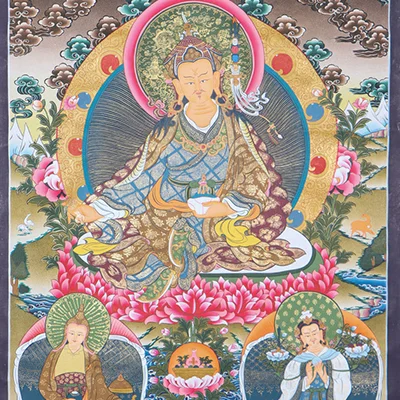
Preserving the Sacred: Best Practices for the Long-Term Display of Antique Tibetan Thangkas Antique Tibetan thangkas occupy a rare position in the world of art collecting. They are at once masterworks of painting, objects of devotion, and fragile co
- 10-27
- 13
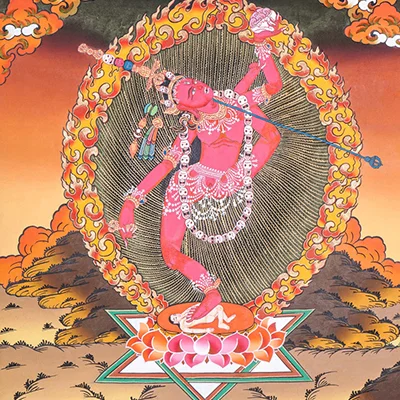
How to Clean and Maintain Antique Pigments: A Conservator’s Guide to Tibetan Thangka Paintings Tibetan thangka paintings are among the most visually arresting objects in the Himalayan art world—and among the most chemically fragile. A single thangka
- 10-27
- 19
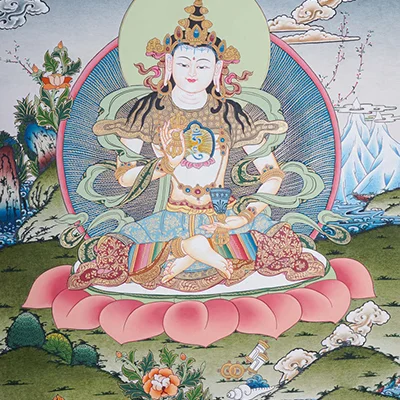
The Priceless Signal: How Iconographic Uniqueness Drives the Value of Tibetan Thangka Walk into any serious collector’s sanctum or a high-end auction preview, and you will eventually encounter one: a Tibetan thangka. At first glance, it might read a
- 10-26
- 24
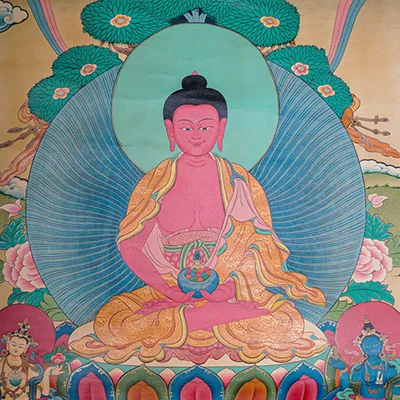
From Himalayan Altars to Global Galleries: How Major Art-Historical Schools Shaped the Tibetan Thangka Tibetan thangka painting is one of the most distinctive visual traditions to emerge from the Himalayan world—a portable, scroll-mounted form of re
- 10-26
- 25
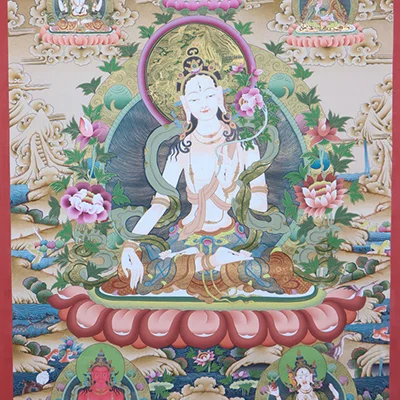
Reviving the Sacred: A Practical Guide to Restoring Thangkas with Ink Fading Tibetan thangkas are more than paintings. They are portable temples, meditation supports, and living embodiments of Buddhist philosophy. A thangka’s mineral pigments—malach
- 10-26
- 25
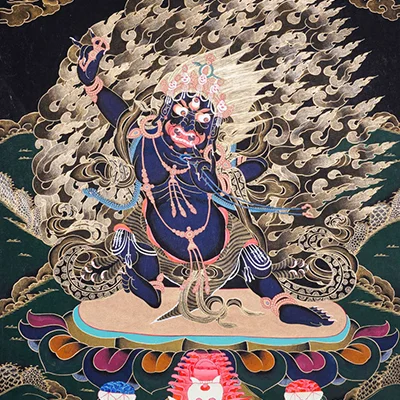
Tibetan thangka paintings are often described as visual scriptures—silk and pigment woven into doctrine, lineage, and meditation instruction. At first glance, a thangka overwhelms the eye with wrathful deities, mandala palaces, and cascades of color.
- 10-25
- 29
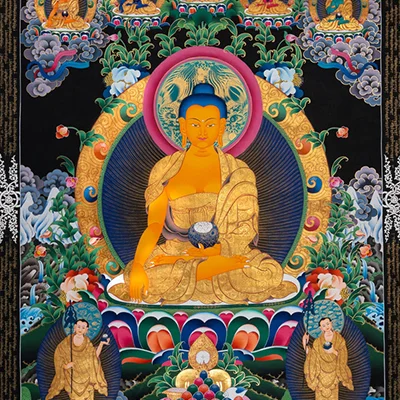
When Pigments Travel: How Nepali Thangka Shaped Tibetan Art — and How Tibet Sent It Back For centuries, the Kathmandu Valley and the Tibetan plateau have been locked in one of the most productive artistic conversations in Asian history. We tend to t
- 10-25
- 29
When Mount Meru Meets the Middle Way: Hindu and Buddhist Cosmologies in Nepalese Thangka The first time you stand in front of a genuine Nepalese thangka—not a poster, not a museum reproduction, but a hand-painted scroll that has spent weeks under a
- 10-25
- 32
Painting Fine Lines: Step-by-Step Techniques for Tibetan Thangka Art Tibetan thangka painting is one of the most demanding disciplines in the world of sacred art. A single traditional thangka can take months—sometimes years—to complete, and much of
- 10-24
- 33
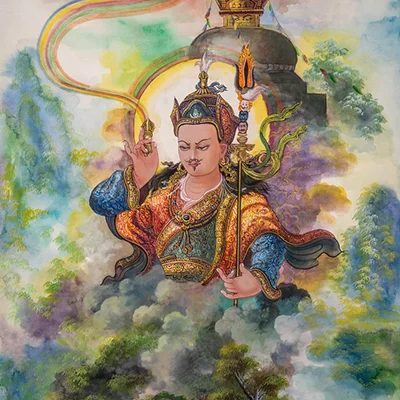
The Sacred Craft of Depth: Layering Techniques in the Thangka Creation Process Tibetan thangka painting is often described as a meditation in pigment—a slow, disciplined act of devotion where every brushstroke carries both artistic intention and spi
- 10-24
- 36
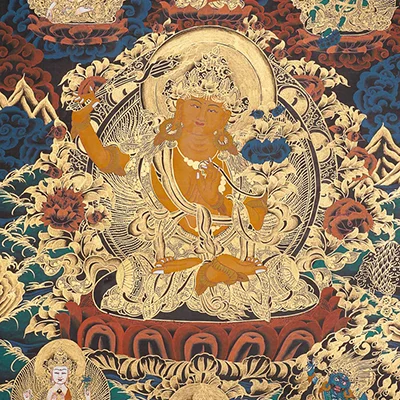
There is a moment, standing before a large Tibetan thangka, when the painting stops behaving like a painting. The colors are too saturated, the symmetry too exact, the figures too densely packed with meaning. Your eye keeps looking for a way in—and t
- 10-24
- 50
The Painted Path: How Nepali Thangka Became the Silent Guide of Ancient Himalayan Pilgrims For centuries, the high passes of the Himalaya carried more than salt, wool, and gold. They carried faith — bundled in the worn leather satchels of pilgrims
- 10-23
- 39
The Painted Silk Road: How Cultural Diplomacy Preserves Ancient Thangka Techniques For centuries, the art of Tibetan thangka painting has functioned as far more than decoration. These scroll-mounted works—mineral-pigmented, gold-illuminated, and pai
- 10-23
- 39
Brown in Traditional Paintings: Stability and Earthiness There is a color that rarely announces itself in the grand halls of art history, yet it holds the entire composition together. It is the color of weathered wood, of sun-baked clay, of the eart
- 10-23
- 45
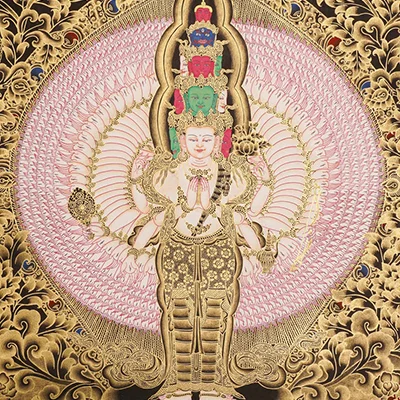
The Circle That Teaches: How Mandalas and Tibetan Thangka Transform Spiritual Education There is a moment, standing before a large Tibetan thangka in a dimly lit museum gallery, when the painting stops being an object and starts being an invitation.
- 10-22
- 46
Tibetan thangka painting has long been recognized as one of the most sophisticated visual traditions in the Buddhist world, and at the heart of this tradition lies the mandala—a geometric diagram that functions simultaneously as a work of art, a cosm
- 10-22
- 56
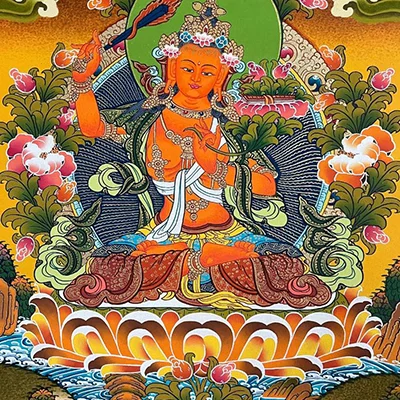
Beyond the Silk and Pigment: Evaluating the True Value of Antique Thangka Collections Collectors, curators, and connoisseurs of Himalayan art are currently witnessing a fascinating shift in the market. For decades, the Western art world largely view
- 10-22
- 45
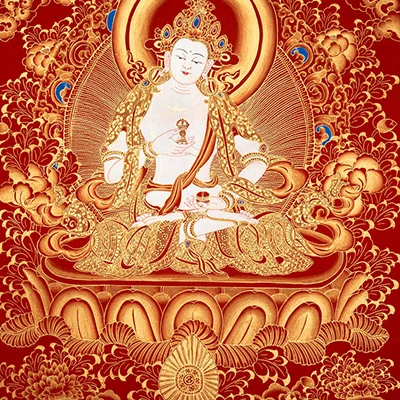
Walk into any thangka gallery in Kathmandu's Boudha neighborhood or along the winding streets of Bhaktapur, and you will encounter a curious economic theater. Salesmen quote prices in dollars before you have finished your first cup of masala tea. Pai
- 10-21
- 49
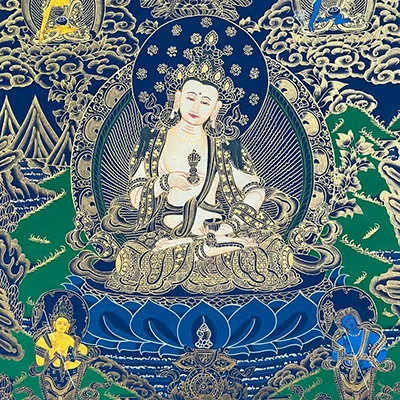
Tempera painting has enjoyed a quiet resurgence among contemporary artists who value its luminosity, its fast drying time, and its capacity for fine detail. Yet many painters who experiment with egg tempera quickly discover that the substrate matters
- 10-21
- 61
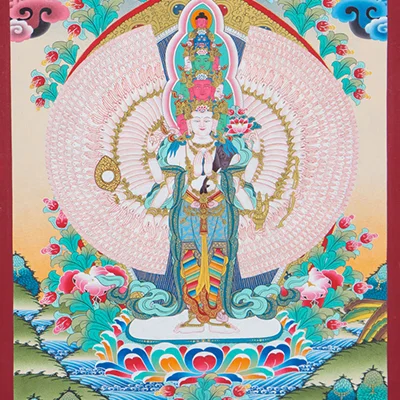
There is a particular kind of quiet that settles over a room when a Nepalese thangka is unrolled. It is not the silence of a museum glass case, but something closer to the hush before a recitation begins. And that is exactly the right frame of mind,
- 10-21
- 53
About Us

- Ethan Walker
- Welcome to my blog!
Hot Blog
- The Impact of Technology on Thangka Symbolism
- Introduction to Ritual Uses and Spiritual Practices of Thangka
- How Hindu Iconography Entered Buddhist Thangka Traditions
- The Role of Cultural Identity in Artistic Schools
- How Digital Techniques Revive Ancient Thangka Styles
- The Use of Symbolic Animals in Thangka Schools
- How Museums Use Thangka to Foster Cross-Cultural Understanding
- How to Identify Thangkas from Different Historical Periods
- How Deities Represent Different Buddhist Schools
- The Cultural Soil of Nepal Thangka’s Beginnings