Buddhist Philosophy Behind Thangka
Delve into the profound Buddhist philosophy represented in Thangka paintings, where every figure, symbol, and composition embodies spiritual teachings, meditation practices, and the pursuit of enlightenment. This guide explores how Thangka art communicates moral values, philosophical insights, and sacred wisdom
Buddhist Philosophy Behind Thangka
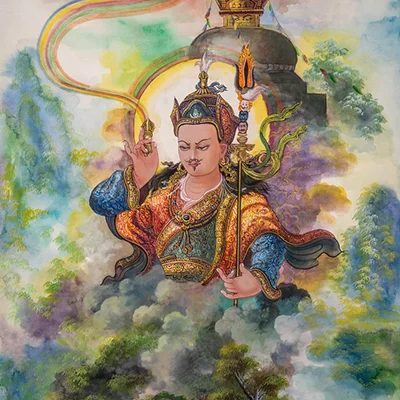
When a Picture Becomes a Prayer: Depicting Buddhist Virtues Through Tibetan Thangka Iconography Walk into almost any Himalayan art gallery, and you will notice it before you can name it: a wall of color so saturated it seems lit from within. Mineral
- 9-21
- 53
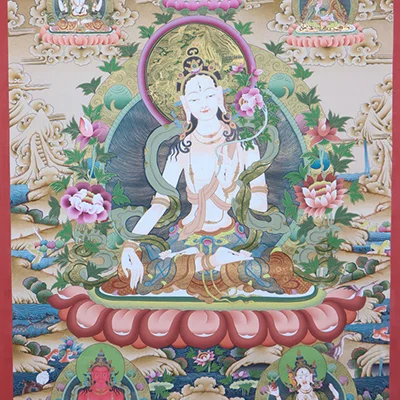
The Woven Universe: The Philosophy of Interconnectedness in Tibetan Thangka Art There is a moment, standing before a large thangka in a dimly lit monastery hall, when the painting stops behaving like a painting. The gold lines catch what little ligh
- 9-20
- 51
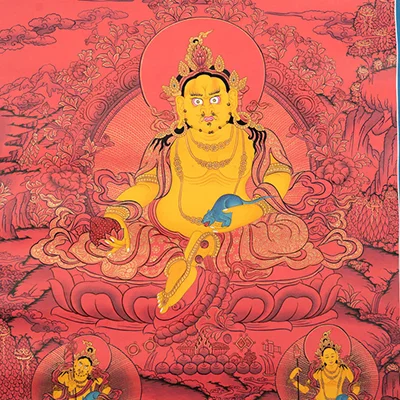
The Wrathful Smile: Unlocking the Philosophy of Peaceful and Wrathful Deities in Tibetan Thangka If you have ever stood before a Tibetan thangka—those kaleidoscopic scrolls of silk and mineral pigment—you have likely felt a strange split in your per
- 9-6
- 80
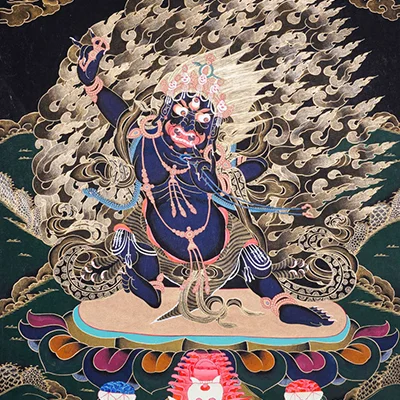
The Canvas as a Sacred Contract: Why Thangka Is Not “Painting” in the Western Sense Walk into any serious collection of Himalayan art, and you will notice something immediately: a thangka does not hang like a framed oil painting. It rolls. It breath
- 9-4
- 73
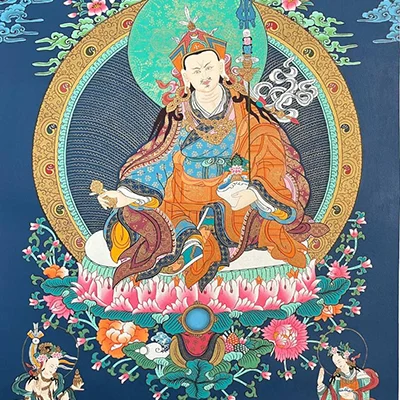
In an age of instant gratification and digital noise, a small cadre of Tibetan Buddhist art teachers is preserving an ancient visual language—and in doing so, they are quietly reshaping what it means to be an artist, a student, and a human being.
- 8-31
- 85
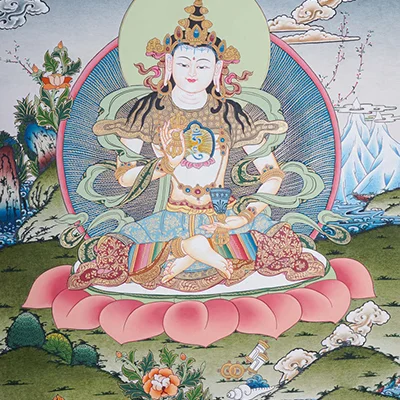
Beyond the Canvas: Why Thangka Is Not “Art” in the Western Sense Walk into any gallery selling Himalayan artifacts, and you’ll see them: vibrantly colored scroll paintings framed in silk brocade, depicting Buddhas with serene half-smiles, wrathful d
- 8-23
- 87
A Journey Through the Chromatic Theology of Tibetan Buddhist Art There is a moment that every traveler to the high Himalayas remembers—the first time they step into a darkened monastery, the air thick with butter lamp smoke and juniper incense, and
- 8-16
- 110
Beyond the Canvas: Why Offerings Are the Invisible Brushstroke Walk into any Tibetan monastery, and your eyes will inevitably lock onto a thangka—that luminous, silk-framed scroll painting of a deity suspended in cosmic stillness. Tourists snap phot
- 8-14
- 172
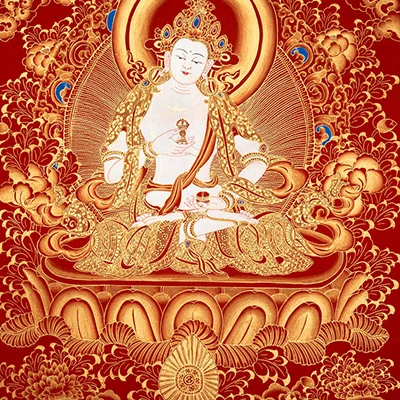
The Illusion of the Fixed Image Walk into any gallery displaying Tibetan thangka, and you’ll likely see a radiant, meticulously detailed painting of a deity—gold lines, lapis skies, a serene face that seems to exist outside time. It feels permanent.
- 8-7
- 108

Beyond the Canvas: Why Thangka Is Not “Art” in the Western Sense Walk into any gallery selling Himalayan artifacts, and you’ll see them—vibrant, intricately detailed scroll paintings of wrathful deities, serene Buddhas, and swirling mandalas. Most t
- 8-6
- 107
About Us

- Ethan Walker
- Welcome to my blog!
Hot Blog
- Exploring Sacred Weapons in Thangka Iconography
- The Role of Eyes and Expression in Thangka Figures
- How Thangka Reflects Buddhist Ritual Timelines
- Decoding Secret Mandala Borders and Outer Circles
- Depicting Deity Hierarchies in Mandala Centers
- Introduction to Spiritual Tourism and Thangka Workshops in Nepal
- How International Audiences Interpret Nepalese Symbolism
- How Virtual Exhibitions Promote Nepalese Art Globally
- Understanding the Role of Enlightened Teachers in Art
- How Exhibitions Reflect Spiritual and Artistic Significance
Latest Blog
- The Influence of Hindu and Buddhist Cosmology
- How Restoration Choices Affect Value
- Orange Ritual Items and Spiritual Power
- How Digital Thangkas Are Used in Meditation Apps
- Artisans Behind Nepal and Tibetan Thangka Production
- Sacred Knives for Cutting Borders and Cloth
- Modern Adaptations of Deities in Interactive Digital Art
- How Thangka Art Facilitates Cross-Border Artistic Collaboration
- How Thangka Art Inspires International Collaborative Projects
- Depicting Deity Hierarchies and Cosmic Order
- Sacred Geometry in Major Artistic Schools
- The Iconography of Enlightened Beings in Thangka Art
- Top Museums Integrating Thangka into Diplomatic Programs
- Depicting Ritual Objects within Mandala Designs
- How Hidden Symbols Represent Protection and Power
- How Patronage Shaped the Work of Famous Thangka Masters
- Purple Symbolism in Mystical Knowledge
- Emerging Practices in Global Thangka Conservation
- Blue Water Symbols and Spiritual Purity
- How Spiritual Tourism Promotes Authentic Cultural Experiences