2026-06 Archive
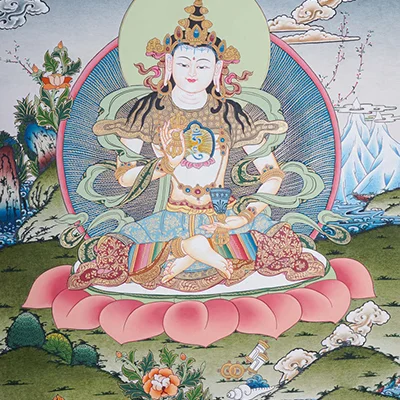
There is a quiet revolution happening in the narrow, incense-scented alleys of Patan Durbar Square and the bustling streets of Boudhanath. It’s not political, and it’s not military. It’s visual. For centuries, the art of painting thangka—the intricat
- 6-24
- 219
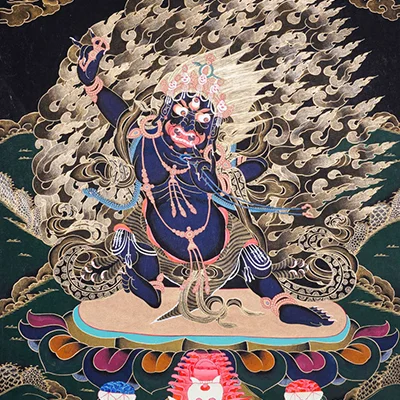
In the dim glow of a Kathmandu studio, a master painter dips a brush made from cat’s whiskers into a bowl of ground lapis lazuli. The pigment, crushed from stones that once traveled the Silk Road from Afghanistan, yields a blue so deep it seems to ho
- 6-24
- 294
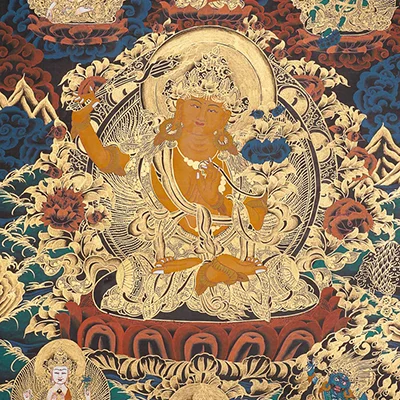
In the hushed glow of a Himalayan monastery, where butter lamps flicker against ancient walls, a color emerges from the shadows—not as mere pigment, but as a living vibration. Orange. It blazes across silk and cotton, dances in the folds of monastic
- 6-23
- 244
When we talk about Tibetan thangka, most people immediately think of the high Himalayan plateaus, the Potala Palace, or the monastic fortresses of Gelugpa lamas. But the true birthplace of the thangka tradition, at least in its earliest recognizable
- 6-23
- 298
Nepal is a land where the divine breathes through every brushstroke, every carved wooden window, every prayer flag snapping in the Himalayan wind. For centuries, the visual language of Nepalese art has served as a bridge between the mundane and the t
- 6-23
- 238
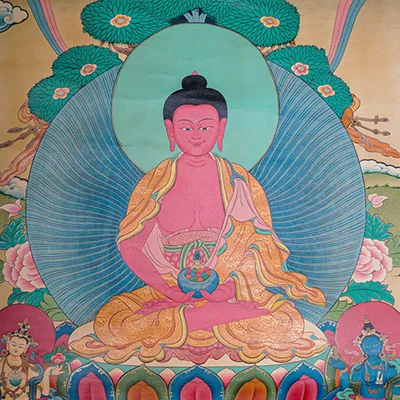
Tucked away in the dimly lit monastic chambers of the Himalayas, where the air smells of juniper incense and yak butter, a tradition older than the Renaissance itself continues to breathe. Tibetan Thangka—often misunderstood as mere "religious painti
- 6-22
- 322
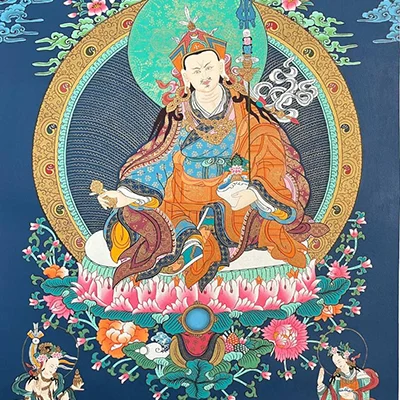
Tibetan thangka painting is not merely an art form—it is a spiritual practice, a visual meditation, and a living tradition that has survived centuries of political upheaval, environmental decay, and cultural displacement. When you hold a thangka that
- 6-22
- 252
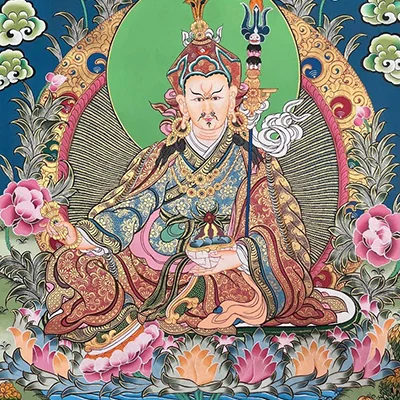
Tibetan thangka painting is one of the most spiritually profound and visually arresting art forms in human history. These scroll paintings, typically executed on cotton or silk, serve as meditation tools, teaching aids, and windows into the complex c
- 6-22
- 243
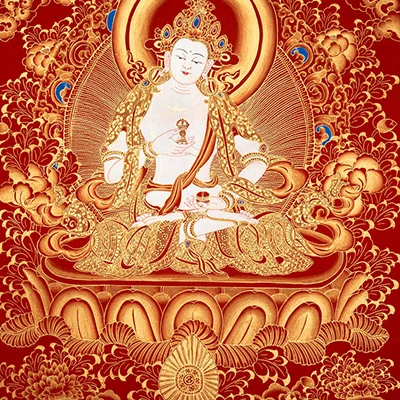
There is a moment, when you first stand before a Tibetan thangka, that the world seems to shift. The colors are too bright, the forms too intricate, the eyes of the deities too alive. You feel like you are being watched—not judged, but seen. And in t
- 6-21
- 208
When we think of Himalayan Buddhist art, two traditions immediately come to mind: the Nepalese and the Tibetan schools of Thangka painting. For centuries, these two distinct yet intertwined artistic lineages have produced some of the most spiritually
- 6-21
- 232
About Us

- Ethan Walker
- Welcome to my blog!
Hot Blog
- Sacred Geometry in Major Artistic Schools
- The Impact of Technology on Thangka Symbolism
- Introduction to Ritual Uses and Spiritual Practices of Thangka
- How Hindu Iconography Entered Buddhist Thangka Traditions
- The Role of Cultural Identity in Artistic Schools
- How Museums Use Thangka to Foster Cross-Cultural Understanding
- How Thangka Art Facilitates Cross-Border Artistic Collaboration
- How Digital Techniques Revive Ancient Thangka Styles
- The Use of Symbolic Animals in Thangka Schools
- How Deities Represent Different Buddhist Schools
Latest Blog
- Trade Influence on Nepal vs Tibetan Thangka
- The Use of Egg Tempera in Medieval Religious Art
- Ancient Traditions That Shaped Nepal Thangka
- Depictions of Avalokiteshvara and Vishnu in Nepal Thangka
- The Role of Cultural Identity in Artistic Schools
- Modern Adaptations of Ritual Practices in Digital Thangkas
- How Digital Art is Transforming Traditional Thangka
- Understanding the Concept of Buddha Nature in Thangka
- How to Identify Thangkas from Different Historical Periods
- How Deities Represent Different Buddhist Schools
- The Cultural Soil of Nepal Thangka’s Beginnings
- The Impact of Technology on Thangka Symbolism
- The Use of Symbolic Animals in Thangka Schools
- How Workshops Promote Hands-On Learning of Mandala Art
- How Tourists Document Their Thangka Workshop Experiences
- Historical Schools Founded by Famous Thangka Masters
- Step-by-Step Guide to Detailing Robes and Garments
- Profiles of Young Artists Innovating Nepalese Thangka
- How Hindu Iconography Entered Buddhist Thangka Traditions
- How Modern Artists Reinterpret Traditional Thangka Themes