Major Artistic Schools and Styles of Thangka
The evolution of Thangka painting gave rise to diverse artistic schools and styles, each shaped by its cultural background, spiritual philosophy, and regional influence. From the intricate details of Nepalese craftsmanship to the bold symbolism of Tibetan lineages, these traditions showcase unique brushwork, iconography, and storytelling approaches. Together, they form a vibrant tapestry of artistic expression that reflects centuries of devotion and cultural identity.
Major Artistic Schools and Styles
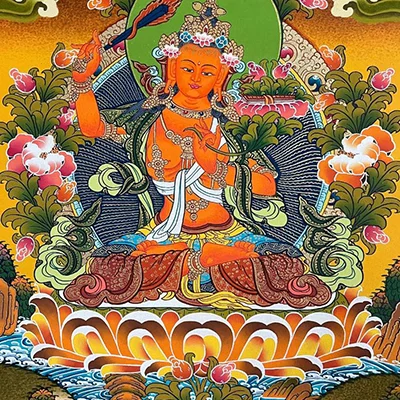
Sacred Geometry in Major Artistic Schools: The Tibetan Thangka as a Living Mandala of Form and Meaning Sacred geometry is one of the most persistent and quietly powerful languages in the history of art. Long before perspective grids, modular design,
- 9-26
- 25
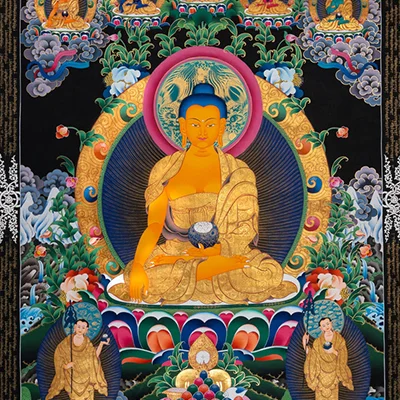
A Brushstroke Between Two Worlds Walk into any monastery gift shop in Boudhanath, Kathmandu, and you’ll see them—rows of golden-hued deities staring out from cotton canvases, their almond eyes following you with an unsettling serenity. At first glan
- 9-7
- 68
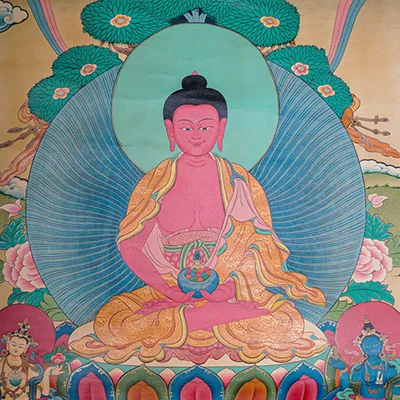
When Kings Became Curators: The Divine Economy of Himalayan Art Walk into any serious collection of Himalayan art—whether the Rubin Museum in New York, the Potala Palace in Lhasa, or a private auction house in Hong Kong—and you will notice something
- 8-18
- 93
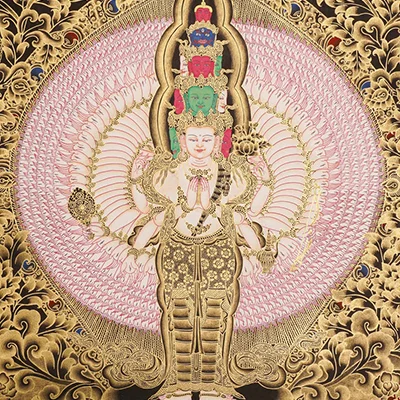
Tucked away in the mist-laden valleys of the Himalayas, where the air smells of juniper incense and the silence is broken only by the fluttering of prayer flags, a quiet revolution is unfolding. For centuries, Tibetan thangka painting was a cloistere
- 7-29
- 126
Tibetan Buddhist thangka painting is far more than decorative art. It is a living scripture, a meditative device, and a ritual object that bridges the mundane and the sacred. For centuries, the major schools of Tibetan Buddhism—Nyingma, Kagyu, Sakya,
- 7-19
- 185
When I first stepped into a Tibetan Buddhist monastery school in the highlands of Ladakh, I was struck by something I had never encountered in any Western classroom. The walls were alive with color—not just decoration, but vibrant, intricate painting
- 7-17
- 138

When I first walked into a monastery workshop in the Kathmandu Valley, I watched an elderly Newari artist hold a single-hair brush steady for three hours. His hand never trembled. The mandala he was painting—a shimmering representation of the Chakras
- 7-10
- 208
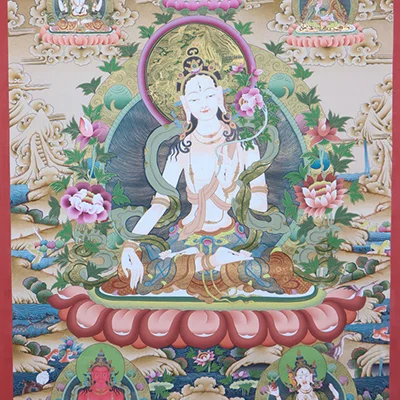
Tibetan Thangka painting is not merely an art form—it is a visual scripture, a meditative tool, and a living tradition that has evolved over more than a millennium. For those who first encounter a Thangka, the immediate impression is one of overwhelm
- 7-8
- 161
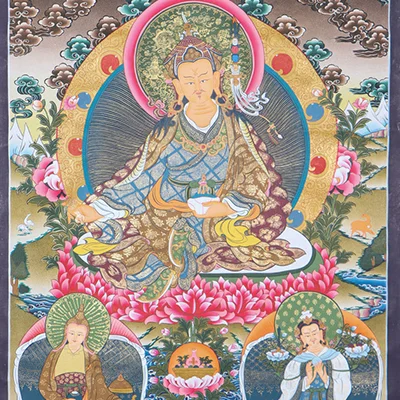
Tibetan thangka painting is not merely an art form—it is a visual scripture, a meditative device, and a cosmological map rolled into one. Among its most complex and spiritually charged subjects is the mandala, a geometric representation of the univer
- 7-7
- 216
Thangka painting is not a monolithic tradition. It never was. For centuries, this sacred Tibetan Buddhist art form has absorbed, rejected, and transformed influences from the vast and varied regions where it flourished. From the high-altitude monaste
- 6-29
- 217
About Us

- Ethan Walker
- Welcome to my blog!
Hot Blog
- Exploring Sacred Weapons in Thangka Iconography
- The Sacred Union of Buddhism and Hinduism in Nepalese Painting
- The Role of Eyes and Expression in Thangka Figures
- How Thangka Reflects Buddhist Ritual Timelines
- The Hidden World of Early Nepalese Thangka Artisans
- Decoding Secret Mandala Borders and Outer Circles
- Depicting Deity Hierarchies in Mandala Centers
- Introduction to Spiritual Tourism and Thangka Workshops in Nepal
- How International Audiences Interpret Nepalese Symbolism
- How Virtual Exhibitions Promote Nepalese Art Globally
Latest Blog
- How Digital Thangkas Are Used in Meditation Apps
- Artisans Behind Nepal and Tibetan Thangka Production
- Sacred Knives for Cutting Borders and Cloth
- Modern Adaptations of Deities in Interactive Digital Art
- How Thangka Art Facilitates Cross-Border Artistic Collaboration
- How Thangka Art Inspires International Collaborative Projects
- Depicting Deity Hierarchies and Cosmic Order
- Sacred Geometry in Major Artistic Schools
- The Iconography of Enlightened Beings in Thangka Art
- Top Museums Integrating Thangka into Diplomatic Programs
- Depicting Ritual Objects within Mandala Designs
- How Hidden Symbols Represent Protection and Power
- How Patronage Shaped the Work of Famous Thangka Masters
- Purple Symbolism in Mystical Knowledge
- Emerging Practices in Global Thangka Conservation
- Blue Water Symbols and Spiritual Purity
- How Spiritual Tourism Promotes Authentic Cultural Experiences
- How International Recognition Enhances Nepalese Thangka Art
- How Thangka Art Fosters Mutual Respect Between Nations
- Hindu Iconography in the Evolution of Nepal Thangka