Mandala and Cosmic Order
Explore the sacred geometry and intricate symbolism of Thangka mandalas, where each pattern, color, and figure embodies the cosmic order and spiritual harmony of the universe. This detailed guide delves into how mandalas function as tools for meditation, spiritual understanding, and artistic expression, offering insights into the deep philosophical and religious meanings behind every element in these mesmerizing works of Thangka art.
Mandala and Cosmic Order
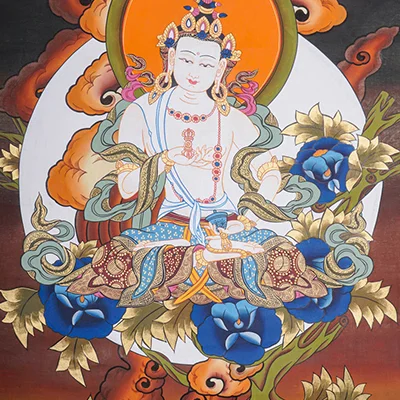
The Sacred Blueprint: How Ritual Objects Encode the Universe in Tibetan Thangka Mandalas Walk into any gallery of Himalayan art, and your eye is immediately seized by the mandala. It glows. It radiates. It draws you inward through concentric rings o
- 9-25
- 29
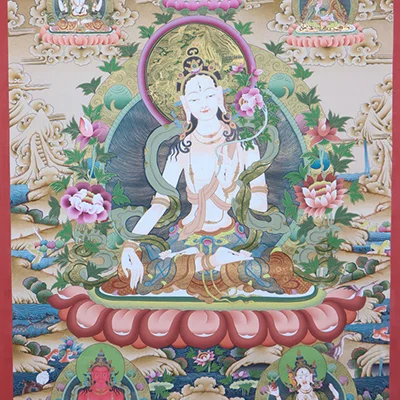
Tibetan thangka painting is one of the most precise and spiritually charged art forms in the world. Among its many subjects, the mandala stands out as both a geometric marvel and a meditation tool. Unlike loose, expressive painting styles, a thangka
- 9-16
- 56
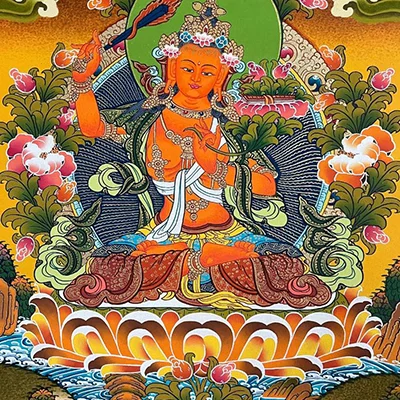
The Sacred Geometry of Enlightenment: Mandala Borders and Patterns in Tibetan Thangka Art Tibetan thangka paintings are far more than colorful religious scrolls. They are visual technologies of liberation—maps that guide the mind from confusion to c
- 9-14
- 72
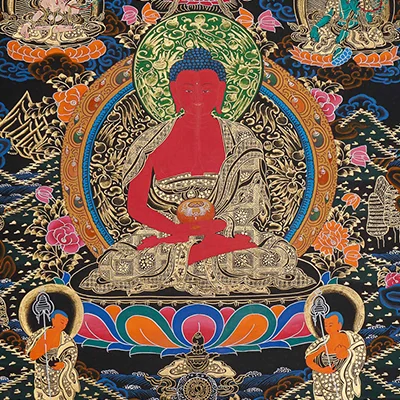
The Cosmic Throne: Depicting Deity Hierarchies in Mandala Centers If you have ever stood before a Tibetan thangka—say, a 19th-century Kalachakra or a fierce Vajrabhairava composition—you know the feeling. Your eyes don’t know where to land. There’s
- 9-5
- 92
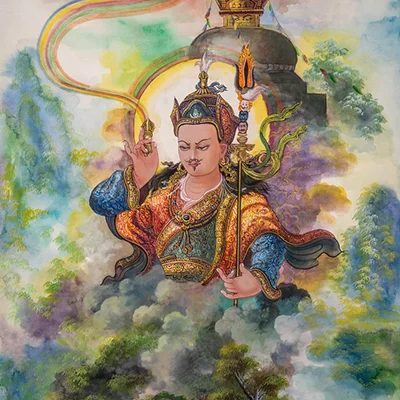
When a Painting Breathes: More Than Just Art You’ve probably seen a thangka before—that brilliantly colored, silk-framed scroll painting of a meditating Buddha or a wrathful deity—and thought, “Wow, that’s intricate.” But here’s the thing: you’ve on
- 8-27
- 100
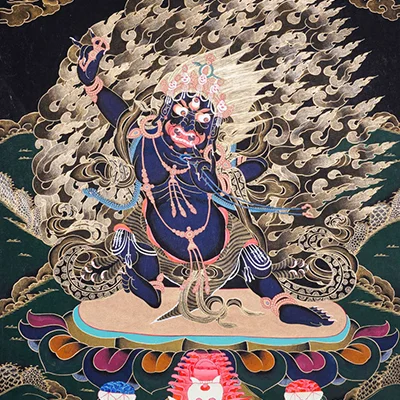
The Universe, Drawn in Sand and Silk There is a moment, in the middle of a Tibetan thangka painting, when the brush stops being a tool and becomes a breathing thing. The artist—often a monk who has spent years memorizing geometric proportions—pauses
- 8-26
- 76
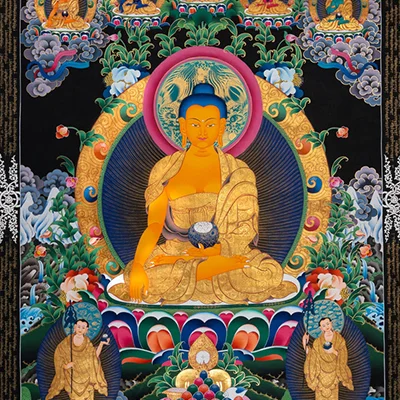
The Cosmic Cartography of the Tibetan Thangka There is a moment, when you first stand before a Tibetan thangka painted with a full mandala, when your eye doesn’t know where to land. The center pulls you—a fierce deity seated in lotus posture, radiat
- 8-16
- 154
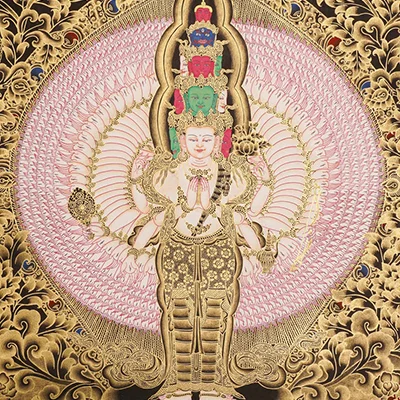
Beyond the Brushstroke: What a Thangka Really Is Walk into any Tibetan Buddhist monastery, and your eyes will inevitably lock onto a thangka—that brilliantly colored, silk-framed painting of deities, mandalas, or cosmic diagrams. Most Westerners see
- 8-13
- 164
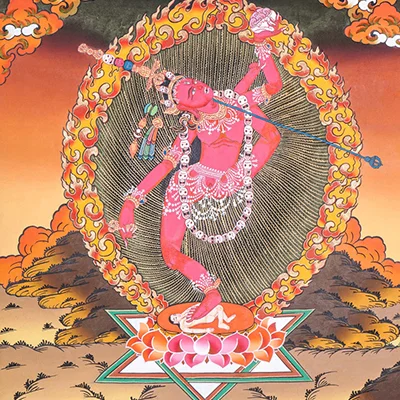
A Universe in Miniature: Why the Mandala Is Not Just a Pretty Circle If you have ever stood before a Tibetan thangka painting—those vibrantly colored, silk-framed scrolls depicting deities, cosmic diagrams, and swirling lotus petals—you have likely
- 8-9
- 115
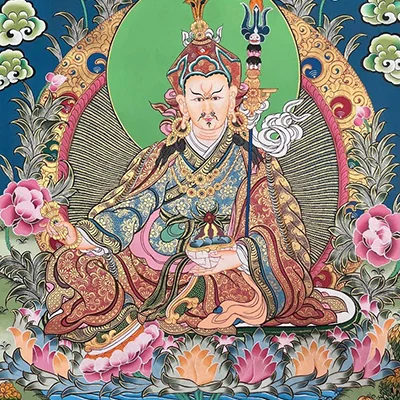
Mandalas are more than just concentric circles and geometric patterns. In Tibetan Buddhism, they serve as sacred maps of the cosmos, visual aids for meditation, and gateways to enlightenment. When you add ritual symbols to a mandala, you are not mere
- 7-21
- 224
About Us

- Ethan Walker
- Welcome to my blog!
Hot Blog
- Exploring Sacred Weapons in Thangka Iconography
- The Sacred Union of Buddhism and Hinduism in Nepalese Painting
- The Role of Eyes and Expression in Thangka Figures
- How Thangka Reflects Buddhist Ritual Timelines
- The Hidden World of Early Nepalese Thangka Artisans
- Decoding Secret Mandala Borders and Outer Circles
- Depicting Deity Hierarchies in Mandala Centers
- Introduction to Spiritual Tourism and Thangka Workshops in Nepal
- How International Audiences Interpret Nepalese Symbolism
- How Virtual Exhibitions Promote Nepalese Art Globally
Latest Blog
- How Digital Thangkas Are Used in Meditation Apps
- Artisans Behind Nepal and Tibetan Thangka Production
- Sacred Knives for Cutting Borders and Cloth
- Modern Adaptations of Deities in Interactive Digital Art
- How Thangka Art Facilitates Cross-Border Artistic Collaboration
- How Thangka Art Inspires International Collaborative Projects
- Depicting Deity Hierarchies and Cosmic Order
- Sacred Geometry in Major Artistic Schools
- The Iconography of Enlightened Beings in Thangka Art
- Top Museums Integrating Thangka into Diplomatic Programs
- Depicting Ritual Objects within Mandala Designs
- How Hidden Symbols Represent Protection and Power
- How Patronage Shaped the Work of Famous Thangka Masters
- Purple Symbolism in Mystical Knowledge
- Emerging Practices in Global Thangka Conservation
- Blue Water Symbols and Spiritual Purity
- How Spiritual Tourism Promotes Authentic Cultural Experiences
- How International Recognition Enhances Nepalese Thangka Art
- How Thangka Art Fosters Mutual Respect Between Nations
- Hindu Iconography in the Evolution of Nepal Thangka