Materials and Tools Used in Thangka Painting
From handmade brushes and natural mineral pigments to carefully prepared cotton and silk canvases, the materials and tools used in Thangka painting reflect centuries of tradition and devotion. Understanding these essential elements reveals how craftsmanship and spirituality come together to preserve the authenticity of Buddhist art.
Materials and Tools Used
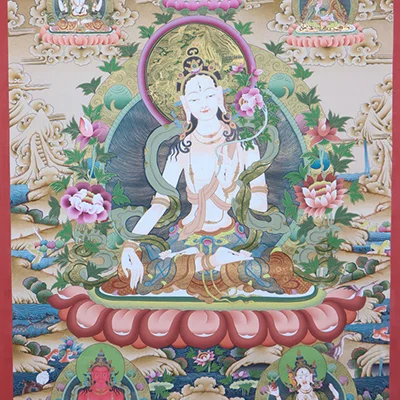
The Sacred Shield: How Traditional Aprons and Clothing Protect the Art and Artist of Tibetan Thangka Painting In the hushed, sunlit chambers of a Tibetan monastery studio, or within the dedicated quiet of a modern thangka painter’s atelier, a transf
- 12-22
- 420
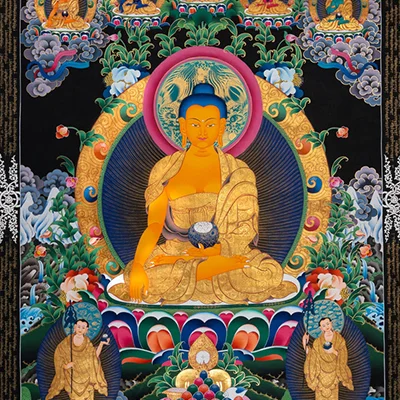
The Sacred Line: Tracing the Evolution of Brushes in Tibetan Thangka Painting For centuries, the vibrant, intricate, and profoundly spiritual art of the Tibetan thangka has captivated the world. These painted scrolls, serving as meditation aids, tea
- 12-18
- 438
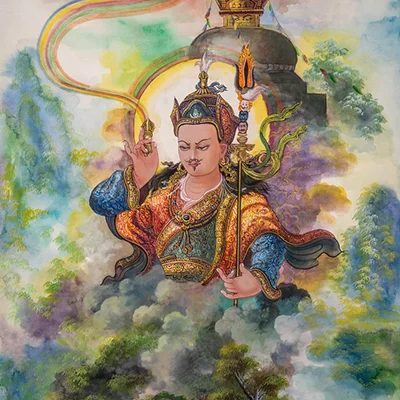
The Unseen Hands: How Gilding Tools Elevate Tibetan Thangka from Art to Sacred Object In the hushed silence of a monastery workshop, amidst the heady scent of ground minerals and aged canvas, an artist’s hand reaches not for a brush, but for a tool
- 12-17
- 441
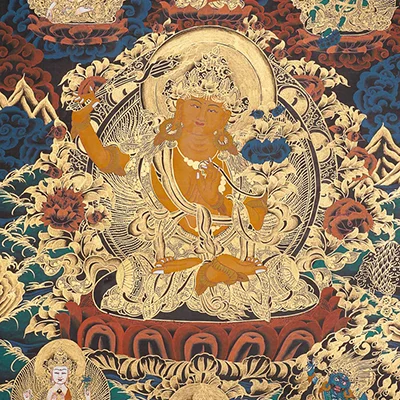
The Sacred Ground: Unraveling the Profound Importance of Cotton Canvas in Tibetan Thangka Painting In the hushed serenity of a Tibetan monastery workshop, amidst the scent of linseed oil and aged pigments, an act of profound creation begins not with
- 12-6
- 261

The Living Palette: Decoding the Sacred Powders and Symbolic Colors of Tibetan Thangka Art To stand before a traditional Tibetan thangka is to witness more than a painting; it is to encounter a vibrant, visual scripture, a map of consciousness, and
- 11-27
- 355
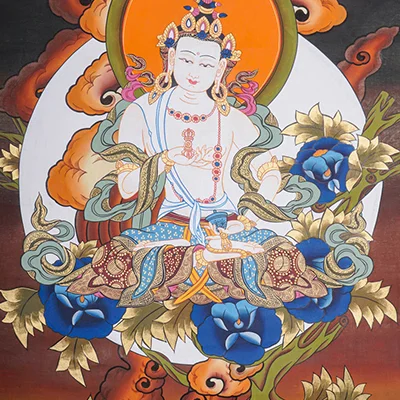
The Sacred Alchemy: How Traditional Pots and Vessels Breathe Life into Tibetan Thangka Art Walk into any authentic Thangka studio, and your senses are immediately enveloped. The air is thick with the faint, earthy scent of powdered minerals and aged
- 11-23
- 302
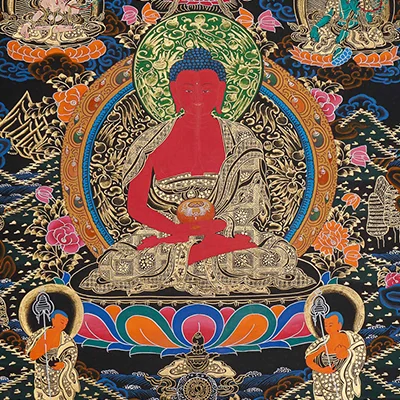
The Sacred Chemistry: Unpacking the Ritual Purification of Thangka Materials To the uninitiated eye, a Thangka is a breathtakingly intricate piece of Tibetan Buddhist art. A vibrant explosion of color and gold on canvas, depicting deities, mandalas,
- 11-18
- 318
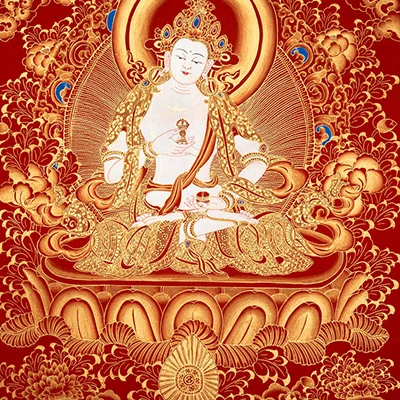
The Sacred Grind: Unlocking the Soul of Thangka Through Traditional Stone Pigments To stand before a masterfully executed Thangka is to witness a portal to the divine. The vibrant sapphire blues of the Buddha's hair, the radiant gold of a celestial
- 11-9
- 315
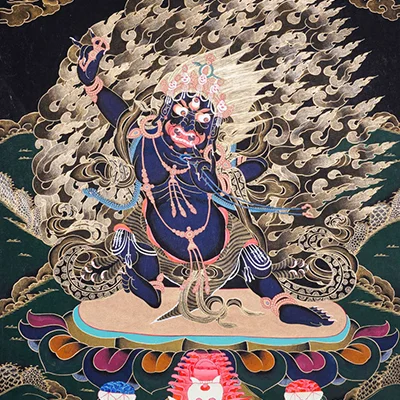
The Unseen Hand: How Brushes Build the Sacred Realms of Tibetan Thangka Painting To stand before a finely executed Tibetan thangka is to gaze into a meticulously ordered universe. Every deity, every landscape, every symbolic attribute is rendered wi
- 11-4
- 335
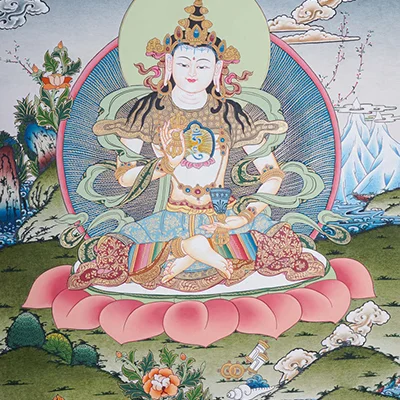
The Alchemy of Earth and Spirit: Unlocking the Secrets of Mineral Pigments in Thangka Art High on the Tibetan plateau, where the air is thin and the sky feels intimately close, an ancient artistic tradition transforms the very substance of the earth
- 11-2
- 385
About Us

- Ethan Walker
- Welcome to my blog!
Hot Blog
- The Role of Eyes and Expression in Thangka Figures
- Decoding Secret Mandala Borders and Outer Circles
- Introduction to Spiritual Tourism and Thangka Workshops in Nepal
- Depicting Deity Hierarchies in Mandala Centers
- How Virtual Exhibitions Promote Nepalese Art Globally
- Tips for Avoiding Common Thangka Collecting Mistakes
- Collectors’ Guide to Nepal vs Tibetan Thangka
- Blue Garments and Religious Significance
- How Artists Innovate for International Audience Engagement
- How Exhibitions Reflect Spiritual and Artistic Significance
Latest Blog
- Emerging Trends in Virtual Thangka Galleries
- How Workshops Preserve Traditional Nepalese Craftsmanship
- How Mandalas Represent Enlightenment Stages
- The Spiritual and Cultural Significance of Mandalas
- The Influence of Hindu and Buddhist Cosmology
- How Restoration Choices Affect Value
- Orange Ritual Items and Spiritual Power
- How Digital Thangkas Are Used in Meditation Apps
- Artisans Behind Nepal and Tibetan Thangka Production
- Sacred Knives for Cutting Borders and Cloth
- Modern Adaptations of Deities in Interactive Digital Art
- How Thangka Art Facilitates Cross-Border Artistic Collaboration
- How Thangka Art Inspires International Collaborative Projects
- Depicting Deity Hierarchies and Cosmic Order
- Sacred Geometry in Major Artistic Schools
- The Iconography of Enlightened Beings in Thangka Art
- Top Museums Integrating Thangka into Diplomatic Programs
- Depicting Ritual Objects within Mandala Designs
- How Hidden Symbols Represent Protection and Power
- How Patronage Shaped the Work of Famous Thangka Masters