"Brushwork Analysis" Result
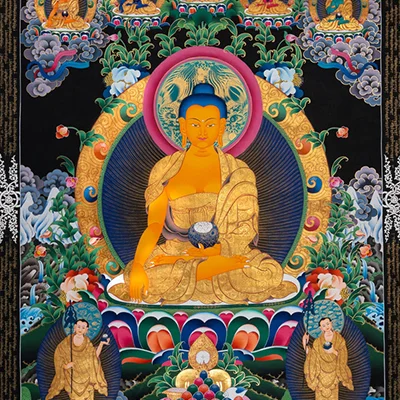
The Hidden Language of the Hand: A Guide to Evaluating Brushwork in Tibetan Thangka Painting For centuries, Tibetan thangkas have served as sacred maps of the cosmos, meditation aids, and profound expressions of Buddhist philosophy. To the untrained
- 12-17
- 345
About Us

- Ethan Walker
- Welcome to my blog!
Hot Blog
- Orange Sun Symbolism in Sacred Art
- Exploring Sacred Weapons in Thangka Iconography
- How Thangka Artists Choose Their Pigment Stones
- Decoding Secret Numerology in Thangka Art
- Red Symbolism in Thangka Figures
- The Sacred Union of Buddhism and Hinduism in Nepalese Painting
- Depicting Sacred Mountains, Rivers, and Skies
- The Role of Eyes and Expression in Thangka Figures
- Recognizing Hand-painted vs Printed Thangka
- Traditional Still Life Painting Methods
Latest Blog
- How Artists Tailor Thangka Works for International Shows
- Top Exhibitions Featuring Contemporary Nepalese Thangka
- Tips for Identifying True Nepalese Religious Paintings
- The Artistic Genius of Early Thangka Masters
- How International Exhibitions Influence Contemporary Artists
- How Workshops Offer Insight into Deities and Iconography
- How to Paint Mythological Figures in Thangka
- Step-by-Step Guide to Mandala Composition
- Applying Gold Leaf in Thangka Painting
- How Artists Use Digital Techniques to Revitalize Ritual Art
- Tips for Avoiding Common Thangka Collecting Mistakes
- The Role of Silk Thread in Thangka Hanging
- The Spiritual Symbolism in Byzantine Icon Painting
- How Famous Thangka Masters Perfected Sacred Iconography
- The Symbolism of Mandala Borders and Patterns
- Top Contemporary Artists Preserving Ancient Skills
- How Virtual Exhibitions Promote Nepalese Art Globally
- The Craft of Stippling in Classical Painting
- The Transition of Nepal Thangka in Medieval Nepal
- Emerging Trends in Digital Thangka Creations