"curatorial practices" Result
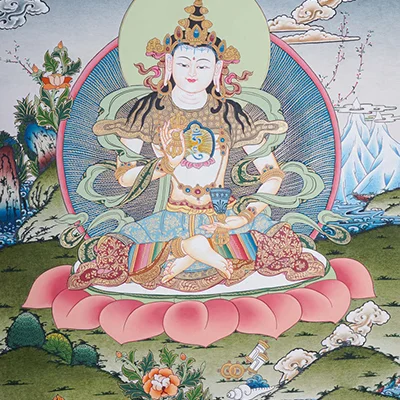
Beyond the Frame: What a Thangka Exhibition Really Shows Us Walk into any major museum’s Himalayan art wing, and you’ll notice something peculiar. Visitors don’t just glance at thangkas—they lean in, tilt their heads, and linger. There’s a gravitati
- 9-2
- 108
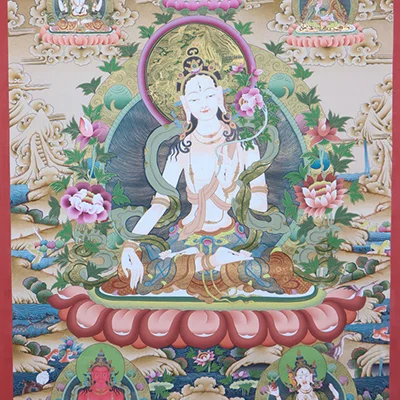
In the dimly lit halls of a Kathmandu gallery, a 300-year-old Thangka of Green Tara glows under controlled lighting. Its gold leaf catches the eye, while the deep ultramarine sky—ground from lapis lazuli—remains as vivid as the day it was painted. Fo
- 5-24
- 256
About Us

- Ethan Walker
- Welcome to my blog!
Hot Blog
- Sacred Geometry in Major Artistic Schools
- The Impact of Technology on Thangka Symbolism
- Introduction to Ritual Uses and Spiritual Practices of Thangka
- How Hindu Iconography Entered Buddhist Thangka Traditions
- How Digital Techniques Revive Ancient Thangka Styles
- The Role of Cultural Identity in Artistic Schools
- How Museums Use Thangka to Foster Cross-Cultural Understanding
- How Thangka Art Facilitates Cross-Border Artistic Collaboration
- The Use of Symbolic Animals in Thangka Schools
- How to Identify Thangkas from Different Historical Periods
Latest Blog
- How Thangka Inspires International Spiritual and Artistic Dialogue
- How Hindu Astrology Shaped Nepalese Thangka Symbolism
- How Artists Integrate Meditation Practices in Thangka Art
- How to Spot Modern Printing in Antique Thangkas
- How Tourists Experience Nepalese Iconography Firsthand
- Authentic Nepal Thangka: Practical Identification Tips
- Trade Influence on Nepal vs Tibetan Thangka
- The Use of Egg Tempera in Medieval Religious Art
- Ancient Traditions That Shaped Nepal Thangka
- Depictions of Avalokiteshvara and Vishnu in Nepal Thangka
- The Role of Cultural Identity in Artistic Schools
- Modern Adaptations of Ritual Practices in Digital Thangkas
- How Digital Art is Transforming Traditional Thangka
- Understanding the Concept of Buddha Nature in Thangka
- How to Identify Thangkas from Different Historical Periods
- How Deities Represent Different Buddhist Schools
- The Cultural Soil of Nepal Thangka’s Beginnings
- The Impact of Technology on Thangka Symbolism
- The Use of Symbolic Animals in Thangka Schools
- How Workshops Promote Hands-On Learning of Mandala Art