"Divine Representation" Result
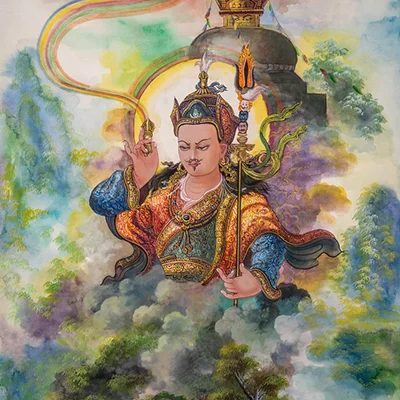
The Unpainted Light: How Tibetan Thangkas Use the Color White to Reveal the Divine We often think of sacred art as being vibrant, bursting with color and intricate detail, a visual feast for the devout. Walk into any museum’s Himalayan art wing, and
- 10-12
- 2245
About Us

- Ethan Walker
- Welcome to my blog!
Hot Blog
- Sacred Geometry in Major Artistic Schools
- The Impact of Technology on Thangka Symbolism
- Introduction to Ritual Uses and Spiritual Practices of Thangka
- How Hindu Iconography Entered Buddhist Thangka Traditions
- The Role of Cultural Identity in Artistic Schools
- How Digital Techniques Revive Ancient Thangka Styles
- How Museums Use Thangka to Foster Cross-Cultural Understanding
- How Thangka Art Facilitates Cross-Border Artistic Collaboration
- The Use of Symbolic Animals in Thangka Schools
- How to Identify Thangkas from Different Historical Periods
Latest Blog
- How to Value Rare Deity Representations
- White Lotus Flowers in Sacred Imagery
- The Symbolism of Divine Weapons and Tools
- Understanding Nepalese Art Historical Context
- Major Schools and Their Techniques for Sacred Borders
- How Spiritual Tourism Enhances Cross-Cultural Understanding
- The Role of Bamboo Sticks in Canvas Stretching
- How Thangka Inspires International Spiritual and Artistic Dialogue
- How Hindu Astrology Shaped Nepalese Thangka Symbolism
- How Artists Integrate Meditation Practices in Thangka Art
- How to Spot Modern Printing in Antique Thangkas
- How Tourists Experience Nepalese Iconography Firsthand
- Authentic Nepal Thangka: Practical Identification Tips
- Trade Influence on Nepal vs Tibetan Thangka
- The Use of Egg Tempera in Medieval Religious Art
- Ancient Traditions That Shaped Nepal Thangka
- Depictions of Avalokiteshvara and Vishnu in Nepal Thangka
- The Role of Cultural Identity in Artistic Schools
- Modern Adaptations of Ritual Practices in Digital Thangkas
- How Digital Art is Transforming Traditional Thangka