"Iconography and composition" Result
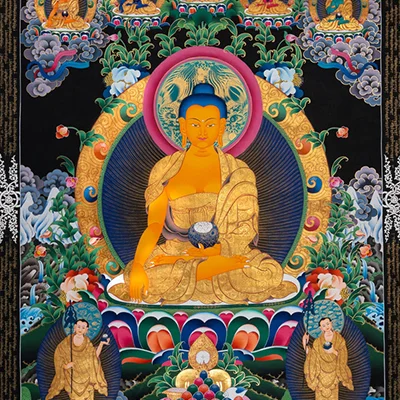
Tibetan Thangka painting is not merely an art form—it is a visual scripture, a meditative tool, and a living archive of Buddhist philosophy that has evolved over more than a millennium. For collectors, scholars, and spiritual practitioners alike, und
- 6-10
- 381
About Us

- Ethan Walker
- Welcome to my blog!
Hot Blog
- Sacred Geometry in Major Artistic Schools
- The Impact of Technology on Thangka Symbolism
- Introduction to Ritual Uses and Spiritual Practices of Thangka
- How Hindu Iconography Entered Buddhist Thangka Traditions
- The Role of Cultural Identity in Artistic Schools
- How Digital Techniques Revive Ancient Thangka Styles
- How Museums Use Thangka to Foster Cross-Cultural Understanding
- The Use of Symbolic Animals in Thangka Schools
- How Thangka Art Facilitates Cross-Border Artistic Collaboration
- How to Identify Thangkas from Different Historical Periods
Latest Blog
- Nepal Thangka in Ancient Pilgrimage Traditions
- How Cultural Diplomacy Preserves Ancient Thangka Techniques
- Brown in Traditional Paintings: Stability and Earthiness
- The Role of Mandalas in Spiritual Education
- Depicting Ritual Practices within Mandala Art
- Evaluating the Value of Antique Thangka Collections
- The Economic Symbolism of Nepal vs Tibetan Thangka
- Techniques of Preparing Panels for Tempera Painting
- Ancient Nepalese Thangka as Visual Sutras
- Identifying Genuine Nepalese Religious Symbols
- How Artists Translate Nepalese Spirituality into Digital Forms
- How to Value Rare Deity Representations
- White Lotus Flowers in Sacred Imagery
- The Symbolism of Divine Weapons and Tools
- Understanding Nepalese Art Historical Context
- Major Schools and Their Techniques for Sacred Borders
- How Spiritual Tourism Enhances Cross-Cultural Understanding
- The Role of Bamboo Sticks in Canvas Stretching
- How Thangka Inspires International Spiritual and Artistic Dialogue
- How Hindu Astrology Shaped Nepalese Thangka Symbolism