"Iconography Interpretation" Result
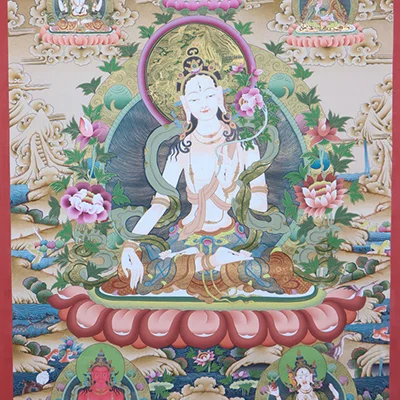
Unfolding the Sacred: How Exhibitions Chronicle the Living History of Tibetan Thangka Art For centuries, the vibrant, intricate, and profoundly spiritual art of the Tibetan thangka existed primarily within the sacred confines of monasteries, nomadic
- 1-10
- 411
About Us

- Ethan Walker
- Welcome to my blog!
Hot Blog
- Sacred Geometry in Major Artistic Schools
- The Impact of Technology on Thangka Symbolism
- Introduction to Ritual Uses and Spiritual Practices of Thangka
- How Hindu Iconography Entered Buddhist Thangka Traditions
- The Role of Cultural Identity in Artistic Schools
- How Digital Techniques Revive Ancient Thangka Styles
- How Museums Use Thangka to Foster Cross-Cultural Understanding
- How Thangka Art Facilitates Cross-Border Artistic Collaboration
- The Use of Symbolic Animals in Thangka Schools
- How to Identify Thangkas from Different Historical Periods
Latest Blog
- How to Value Rare Deity Representations
- White Lotus Flowers in Sacred Imagery
- The Symbolism of Divine Weapons and Tools
- Understanding Nepalese Art Historical Context
- Major Schools and Their Techniques for Sacred Borders
- How Spiritual Tourism Enhances Cross-Cultural Understanding
- The Role of Bamboo Sticks in Canvas Stretching
- How Thangka Inspires International Spiritual and Artistic Dialogue
- How Hindu Astrology Shaped Nepalese Thangka Symbolism
- How Artists Integrate Meditation Practices in Thangka Art
- How to Spot Modern Printing in Antique Thangkas
- How Tourists Experience Nepalese Iconography Firsthand
- Authentic Nepal Thangka: Practical Identification Tips
- Trade Influence on Nepal vs Tibetan Thangka
- The Use of Egg Tempera in Medieval Religious Art
- Ancient Traditions That Shaped Nepal Thangka
- Depictions of Avalokiteshvara and Vishnu in Nepal Thangka
- The Role of Cultural Identity in Artistic Schools
- Modern Adaptations of Ritual Practices in Digital Thangkas
- How Digital Art is Transforming Traditional Thangka