"Iconometry and Sacred Geometry" Result
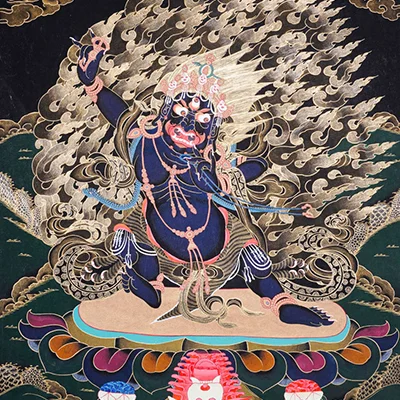
Why a Still Life Tradition Is a Misnomer in the Himalayas When Western art historians speak of “still life,” they conjure Dutch Golden Age tablescapes—overturned pewter goblets, half-peeled lemons, a fly on a bread crust. But in the high-altitude st
- 8-29
- 277
About Us
- Ethan Walker
- Welcome to my blog!
Hot Blog
- Top Modern Thangka Artworks and Artists
- Nepal Thangka and Ancient Philosophical Texts
- Top Galleries Promoting Modern Nepalese Thangka Artists
- How Artists Create Culturally Relevant Thangka Art Today
- How Artists Revitalize Ancient Iconography in Modern Works
- Understanding Deity Iconography in Depth
- Step-by-Step Guide to Painting Sacred Landscapes
- Understanding the Symbolism of Deity Postures
- How to Paint Lotus Flowers with Spiritual Symbolism
- How Artists Incorporate Animation into Thangka Storytelling
Latest Blog
- Understanding Yama and His Symbolic Role
- Nepal Thangka as a Bridge Between Art and Devotion
- Profiles of Artists Creating Thangka-Based Video Installations
- How to Repair Torn or Damaged Thangka Fabrics
- How Mandalas Represent the Universe in Thangka Paintings
- Introduction to Valuation and Market Trends of Nepal Thangkas
- Profiles of Popular Thangka Workshops in Kathmandu
- The Role of Silk Cloth in Mounting Thangka
- Understanding Curation Practices for Thangka Exhibitions
- How to Handle and Preserve Thangka Paintings
- How Spiritual Tourism Shapes Global Perception of Nepalese Art
- Exploring Contemporary Nepalese Thangka Collections
- The Role of Art Critique in Thangka Market Price
- How Museums Display Ritual and Ceremonial Thangkas
- Recognizing Traditional Nepalese Motifs
- The Symbolism of Thangkas’ Multiple Arms
- Famous Thangka Masters and Their Impact on Monastic Training
- Black Symbolism in Sacred Rituals
- How to Paint Deity Faces in Thangka
- How Museum Lighting Enhances Thangka Display