"Iconometry and Sacred Proportions" Result
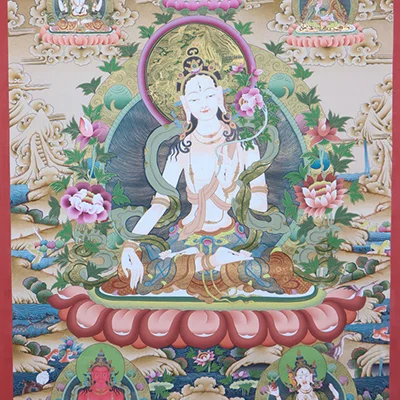
The first time I stood before a 15th-century Tibetan thangka in a dimly lit museum gallery, I felt something shift. It wasn’t just the gold leaf catching light or the impossibly precise brushstrokes—it was the sense that the figure on the silk was lo
- 7-16
- 261
About Us

- Ethan Walker
- Welcome to my blog!
Hot Blog
- Sacred Geometry in Major Artistic Schools
- The Impact of Technology on Thangka Symbolism
- Introduction to Ritual Uses and Spiritual Practices of Thangka
- How Hindu Iconography Entered Buddhist Thangka Traditions
- The Role of Cultural Identity in Artistic Schools
- How Museums Use Thangka to Foster Cross-Cultural Understanding
- How Thangka Art Facilitates Cross-Border Artistic Collaboration
- How Digital Techniques Revive Ancient Thangka Styles
- The Use of Symbolic Animals in Thangka Schools
- How Deities Represent Different Buddhist Schools
Latest Blog
- The Use of Egg Tempera in Medieval Religious Art
- Ancient Traditions That Shaped Nepal Thangka
- Depictions of Avalokiteshvara and Vishnu in Nepal Thangka
- The Role of Cultural Identity in Artistic Schools
- Modern Adaptations of Ritual Practices in Digital Thangkas
- How Digital Art is Transforming Traditional Thangka
- Understanding the Concept of Buddha Nature in Thangka
- How to Identify Thangkas from Different Historical Periods
- How Deities Represent Different Buddhist Schools
- The Cultural Soil of Nepal Thangka’s Beginnings
- The Impact of Technology on Thangka Symbolism
- The Use of Symbolic Animals in Thangka Schools
- How Workshops Promote Hands-On Learning of Mandala Art
- How Tourists Document Their Thangka Workshop Experiences
- Historical Schools Founded by Famous Thangka Masters
- Step-by-Step Guide to Detailing Robes and Garments
- Profiles of Young Artists Innovating Nepalese Thangka
- How Hindu Iconography Entered Buddhist Thangka Traditions
- How Modern Artists Reinterpret Traditional Thangka Themes
- The Role of Monastic Commissions in Artistic Schools