"Mudras and Deities" Result
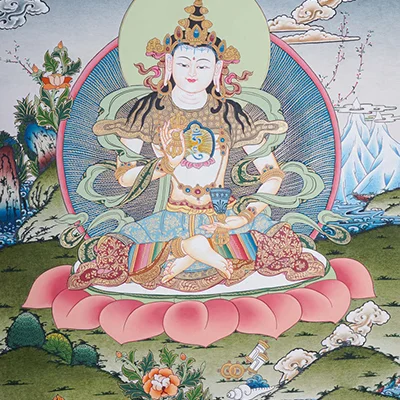
In the dim glow of butter lamps, a Tibetan monk sits cross-legged before a painting that seems to breathe. The thangka before him is not merely art—it is a coded map of consciousness, a labyrinth of symbols that, when properly read, can guide the min
- 5-2
- 245
About Us

- Ethan Walker
- Welcome to my blog!
Hot Blog
- Depicting Multiple Realms Within Mandala Art
- Purple Robes in Sacred Portraits
- How Artists Adapt Traditional Materials in New Ways
- Regional Variations in Nepal Thangka Across Eras
- Comparing Inscriptions in Nepal vs Tibetan Thangka
- Understanding Hanuman Through Thangka Symbolism
- Step-by-Step Guide to Painting Eyes of Enlightened Figures
- Understanding the Spiritual Significance of Thangka Colors
- Orange Sun Symbolism in Sacred Art
- White Figures and Purity in Religious Paintings
Latest Blog
- How Famous Thangka Masters Perfected Sacred Iconography
- The Symbolism of Mandala Borders and Patterns
- Top Contemporary Artists Preserving Ancient Skills
- How Virtual Exhibitions Promote Nepalese Art Globally
- The Craft of Stippling in Classical Painting
- The Transition of Nepal Thangka in Medieval Nepal
- Emerging Trends in Digital Thangka Creations
- How Historical Thangka Masters Protected Sacred Designs
- How Exhibitions Inspire Modern Interpretations of Thangka
- How Artists Maintain Authenticity in Modern Thangka
- How Thangka Art Encourages Interfaith Dialogue Globally
- Nepalese Thangka as Guardians of Ancient Wisdom
- How to Spot Modern Additions in Antique Thangkas
- Decoding Secret Realms and Spiritual Layers
- How International Audiences Appreciate Thangka Spirituality
- Nepal Thangka as a Canvas of Religious Harmony
- Buddhist Enlightenment Narratives with Hindu Symbolic Layers
- Layering Gold and Metallic Paints in Thangka Art
- The Influence of Traditional Persian Miniature Painting
- Painting Symbolic Objects: A Step-by-Step Approach