"Museum Influence on Thangka" Result
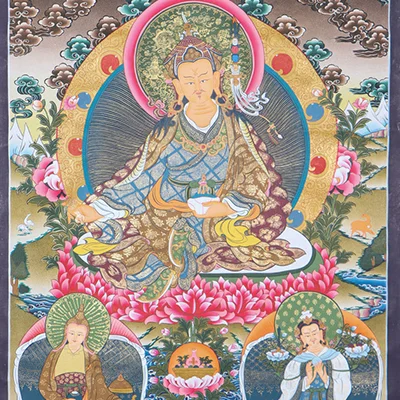
Tibetan Thangka, for centuries, was never meant to be seen by the public. It was whispered into existence by monks in remote Himalayan monasteries, painted in secrecy, blessed with ritual, and displayed only during specific religious festivals or ins
- 7-2
- 166
About Us

- Ethan Walker
- Welcome to my blog!
Hot Blog
- Exploring Sacred Weapons in Thangka Iconography
- The Role of Eyes and Expression in Thangka Figures
- Decoding Secret Mandala Borders and Outer Circles
- Depicting Deity Hierarchies in Mandala Centers
- Introduction to Spiritual Tourism and Thangka Workshops in Nepal
- How International Audiences Interpret Nepalese Symbolism
- How Virtual Exhibitions Promote Nepalese Art Globally
- Collectors’ Guide to Nepal vs Tibetan Thangka
- Blue Garments and Religious Significance
- Tips for Avoiding Common Thangka Collecting Mistakes
Latest Blog
- How Mandalas Represent Enlightenment Stages
- The Spiritual and Cultural Significance of Mandalas
- The Influence of Hindu and Buddhist Cosmology
- How Restoration Choices Affect Value
- Orange Ritual Items and Spiritual Power
- How Digital Thangkas Are Used in Meditation Apps
- Artisans Behind Nepal and Tibetan Thangka Production
- Sacred Knives for Cutting Borders and Cloth
- Modern Adaptations of Deities in Interactive Digital Art
- How Thangka Art Facilitates Cross-Border Artistic Collaboration
- How Thangka Art Inspires International Collaborative Projects
- Depicting Deity Hierarchies and Cosmic Order
- Sacred Geometry in Major Artistic Schools
- The Iconography of Enlightened Beings in Thangka Art
- Top Museums Integrating Thangka into Diplomatic Programs
- Depicting Ritual Objects within Mandala Designs
- How Hidden Symbols Represent Protection and Power
- How Patronage Shaped the Work of Famous Thangka Masters
- Purple Symbolism in Mystical Knowledge
- Emerging Practices in Global Thangka Conservation