"Tibetan Buddhism" Result
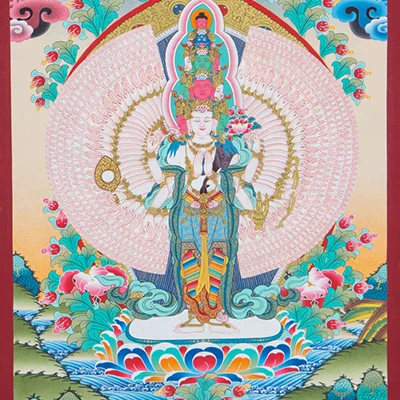
In the hushed glow of a Tibetan monastery, a thangka painter dips his brush into ground lapis lazuli, the blue pigment catching the butterlamp light like a fragment of the sky. He is not merely painting. He is mapping the architecture of human experi
- 6-18
- 233
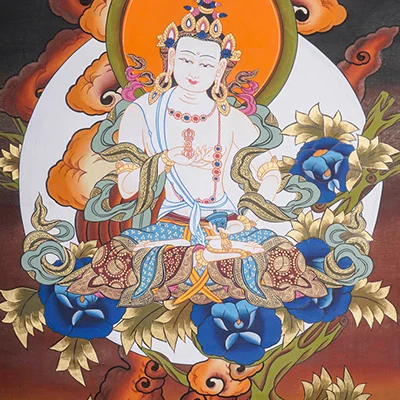
The first time I saw a Thangka, I was standing in a cramped studio in Bhaktapur, Nepal, watching a seventy-year-old master named Karma apply gold leaf to the robe of a Green Tara. His hand trembled slightly, not from age, but from the weight of a tra
- 6-15
- 388
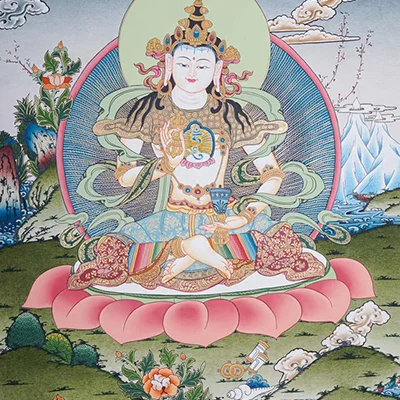
In the dim light of a Himalayan monastery, a novice monk sits cross-legged before a vibrant painting of Avalokiteshvara, the Bodhisattva of Compassion. The silk brocade frame catches the butter lamp’s glow as his eyes trace the deity’s thousand arms,
- 6-14
- 307
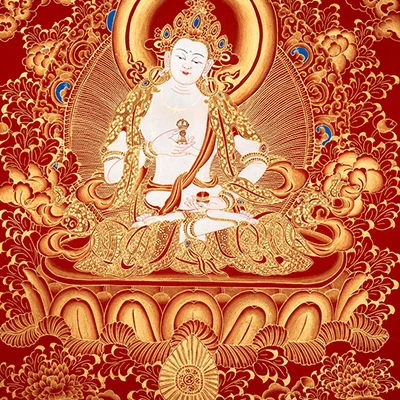
There is a moment in every mandala painter’s life when the brush hovers above the last empty space. The hand trembles, not from fatigue, but from the weight of intention. The final stroke is not merely paint meeting canvas—it is the closing of a cosm
- 6-9
- 391
In the dim glow of butter lamps, a monk sits cross-legged on a worn wooden floor. His eyes are fixed on a painting so intricate that it seems to breathe. The colors—deep ultramarine, vermilion, and gold leaf—pulse with an inner light. This is not art
- 6-7
- 306
Thangka art, the intricate and spiritually charged scroll painting tradition of Tibetan Buddhism, has long captivated scholars, collectors, and spiritual seekers alike. While the central deities—Buddhas, Bodhisattvas, and fierce Dharmapalas—often com
- 6-7
- 263
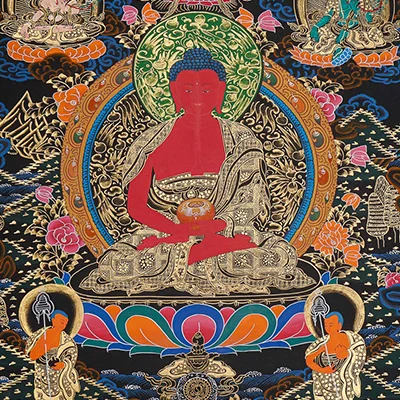
The Blueprint of Enlightenment Hidden in Plain Sight There is a moment when you first encounter a genuine Tibetan thangka—a painted scroll of silk and mineral pigment—that something shifts inside you. It is not merely the vivid blues of lapis lazuli
- 6-3
- 317
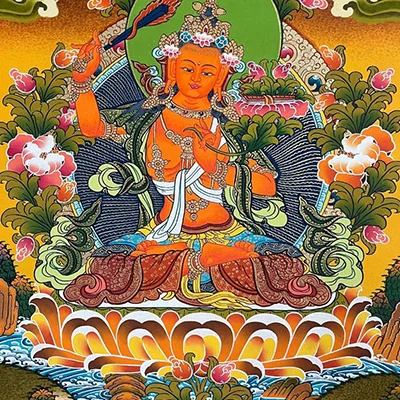
In the dim glow of butter lamps, beneath the high ceilings of Tibetan monasteries, there exists a visual language that speaks directly to the nature of existence itself. Thangka painting—that intricate, luminous art form born from the Tibetan Buddhis
- 5-31
- 222
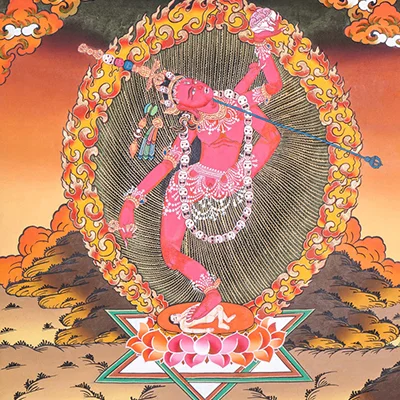
Tibetan Buddhist thangka painting is far more than decorative religious art. It is a visual language, a coded system of symbols, colors, and proportions designed to communicate the most profound and often bewildering ideas in Buddhist philosophy. For
- 5-30
- 282
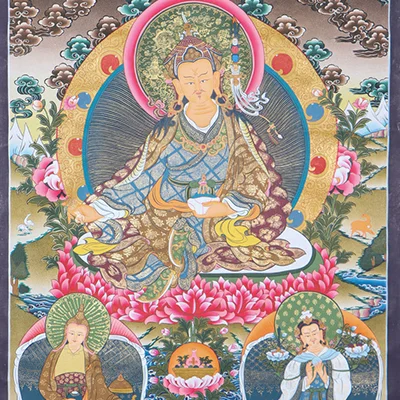
In the dim light of a Tibetan monastery, a monk sits cross-legged on a worn wooden floor, his brush hovering over a canvas stretched tight across a wooden frame. His hand moves with deliberate precision, each stroke of pigment an act of prayer. This
- 5-29
- 270
About Us
- Ethan Walker
- Welcome to my blog!
Hot Blog
- Sacred Geometry in Major Artistic Schools
- The Impact of Technology on Thangka Symbolism
- Introduction to Ritual Uses and Spiritual Practices of Thangka
- How Hindu Iconography Entered Buddhist Thangka Traditions
- The Role of Cultural Identity in Artistic Schools
- How Digital Techniques Revive Ancient Thangka Styles
- How Museums Use Thangka to Foster Cross-Cultural Understanding
- How Thangka Art Facilitates Cross-Border Artistic Collaboration
- The Use of Symbolic Animals in Thangka Schools
- How to Identify Thangkas from Different Historical Periods
Latest Blog
- How to Value Rare Deity Representations
- White Lotus Flowers in Sacred Imagery
- The Symbolism of Divine Weapons and Tools
- Understanding Nepalese Art Historical Context
- Major Schools and Their Techniques for Sacred Borders
- How Spiritual Tourism Enhances Cross-Cultural Understanding
- The Role of Bamboo Sticks in Canvas Stretching
- How Thangka Inspires International Spiritual and Artistic Dialogue
- How Hindu Astrology Shaped Nepalese Thangka Symbolism
- How Artists Integrate Meditation Practices in Thangka Art
- How to Spot Modern Printing in Antique Thangkas
- How Tourists Experience Nepalese Iconography Firsthand
- Authentic Nepal Thangka: Practical Identification Tips
- Trade Influence on Nepal vs Tibetan Thangka
- The Use of Egg Tempera in Medieval Religious Art
- Ancient Traditions That Shaped Nepal Thangka
- Depictions of Avalokiteshvara and Vishnu in Nepal Thangka
- The Role of Cultural Identity in Artistic Schools
- Modern Adaptations of Ritual Practices in Digital Thangkas
- How Digital Art is Transforming Traditional Thangka