"White Symbolism" Result
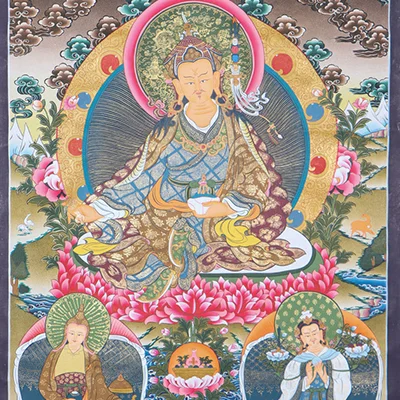
The Silent Language of Sanctity: Decoding White in Sacred Art Through the Tibetan Thangka In the vibrant, often overwhelming visual cosmos of sacred art, color is never merely decorative. It is theology made visible, a direct channel to doctrinal tr
- 4-19
- 325
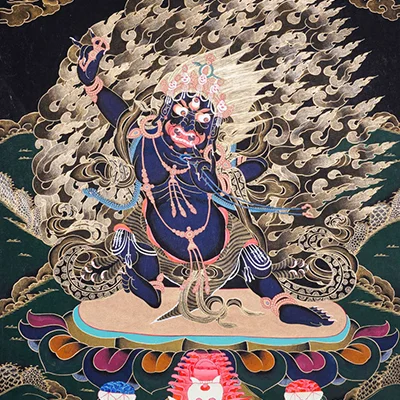
The Silent Language of White: Decoding the Robes and Figures in Tibetan Thangka Art In the vibrant, often overwhelming cosmos of Tibetan Buddhist art, where thangkas blaze with the jewel tones of lapis lazari, cinnabar, and gold, it is the presence
- 12-11
- 371
About Us

- Ethan Walker
- Welcome to my blog!
Hot Blog
- Exploring Sacred Weapons in Thangka Iconography
- The Sacred Union of Buddhism and Hinduism in Nepalese Painting
- Red Symbolism in Thangka Figures
- The Role of Eyes and Expression in Thangka Figures
- How Thangka Reflects Buddhist Ritual Timelines
- The Hidden World of Early Nepalese Thangka Artisans
- Decoding Secret Mandala Borders and Outer Circles
- Introduction to Spiritual Tourism and Thangka Workshops in Nepal
- Depicting Deity Hierarchies in Mandala Centers
- How International Audiences Interpret Nepalese Symbolism
Latest Blog
- Artisans Behind Nepal and Tibetan Thangka Production
- Sacred Knives for Cutting Borders and Cloth
- Modern Adaptations of Deities in Interactive Digital Art
- How Thangka Art Facilitates Cross-Border Artistic Collaboration
- How Thangka Art Inspires International Collaborative Projects
- Depicting Deity Hierarchies and Cosmic Order
- Sacred Geometry in Major Artistic Schools
- The Iconography of Enlightened Beings in Thangka Art
- Top Museums Integrating Thangka into Diplomatic Programs
- Depicting Ritual Objects within Mandala Designs
- How Hidden Symbols Represent Protection and Power
- How Patronage Shaped the Work of Famous Thangka Masters
- Purple Symbolism in Mystical Knowledge
- Emerging Practices in Global Thangka Conservation
- Blue Water Symbols and Spiritual Purity
- How Spiritual Tourism Promotes Authentic Cultural Experiences
- How International Recognition Enhances Nepalese Thangka Art
- How Thangka Art Fosters Mutual Respect Between Nations
- Hindu Iconography in the Evolution of Nepal Thangka
- Purple in Ancient Art: Connection to Spirituality