Deities and Iconography Explained
Delve into the intricate symbolism of Thangka paintings, where every deity, mudra, and color holds profound spiritual significance. This comprehensive guide unravels the religious and philosophical meanings behind Buddhist and Hindu figures, helping art enthusiasts and spiritual seekers alike interpret the sacred narratives, divine attributes
Deities and Iconography Explained
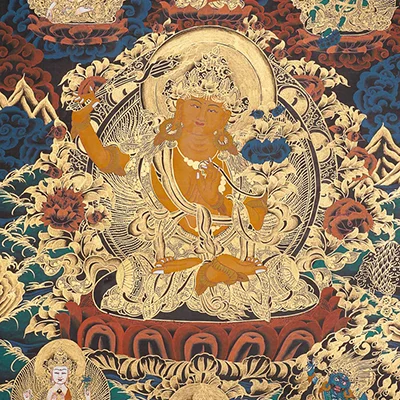
In the hushed glow of a Tibetan monastery, a single thangka unfurls like a universe condensed into silk and pigment. At first glance, the eye is drawn to the central deity—perhaps a wrathful Mahakala or a serene Avalokiteshvara—but linger a moment lo
- 6-30
- 190
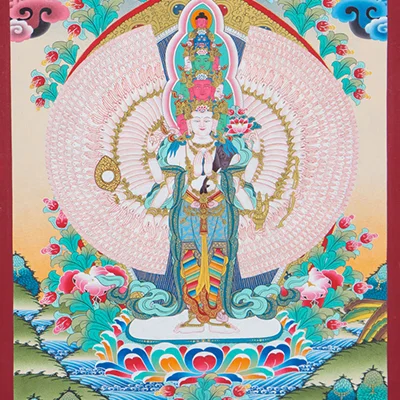
There is a moment, when you first stand before a Tibetan thangka, that the eyes do not know where to rest. The gold lines shimmer. The blues are deep as ocean trenches. The deities sit or stand in postures that seem to defy both gravity and anatomy.
- 6-4
- 303
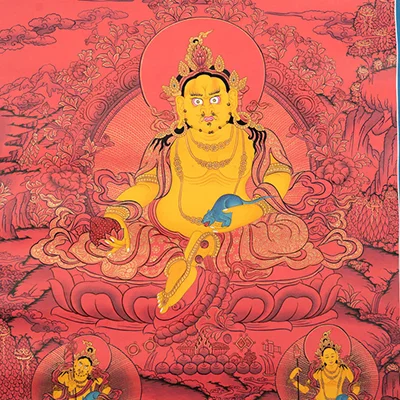
Tibetan thangka paintings are far more than decorative religious art. They are living ritual technologies, meticulously engineered to facilitate direct encounters with enlightened consciousness. For centuries, these portable scroll paintings have ser
- 6-3
- 308
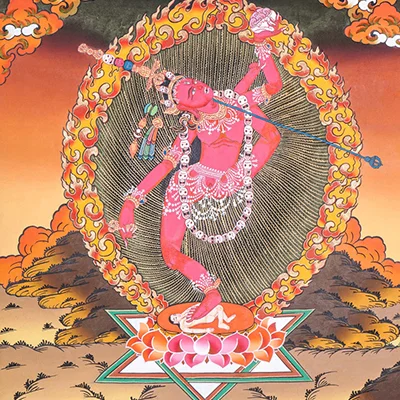
Tibetan Buddhist thangka painting is far more than decorative religious art. It is a visual language, a coded system of symbols, colors, and proportions designed to communicate the most profound and often bewildering ideas in Buddhist philosophy. For
- 5-30
- 236
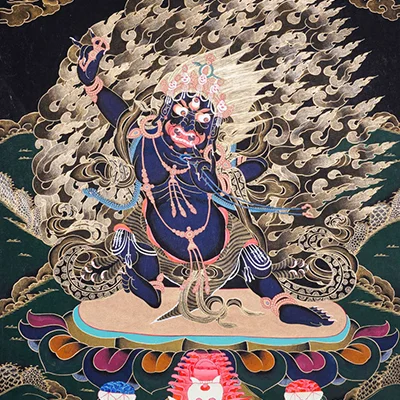
In the dim glow of butter lamps, a monk sits cross-legged before a vibrant painting. His eyes trace the intricate lines of a mandala, moving from the central deity outward through layers of symbolic meaning. This is not art appreciation in the Wester
- 5-17
- 288
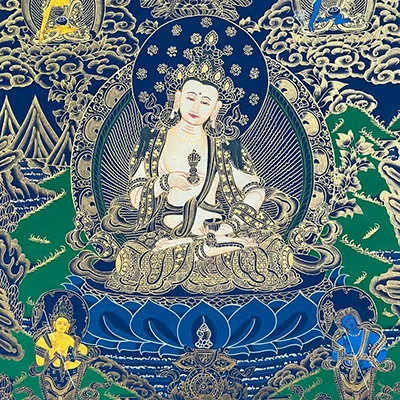
In the dim glow of butter lamps flickering across a monastery wall, a thangka unfurls like a cosmic map of the mind. The deity at its center—perhaps a wrathful Mahakala or a serene Avalokiteshvara—does not merely sit or stand. Every finger curls with
- 5-7
- 285
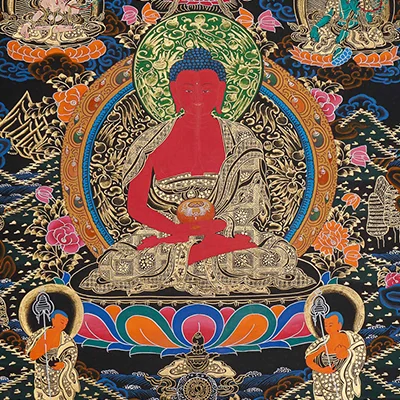
Tibetan thangka painting is one of the most visually arresting and spiritually complex art forms in the world. Among its vast pantheon of enlightened beings, bodhisattvas, and historical masters, none command the eye—or the imagination—quite like the
- 4-28
- 356
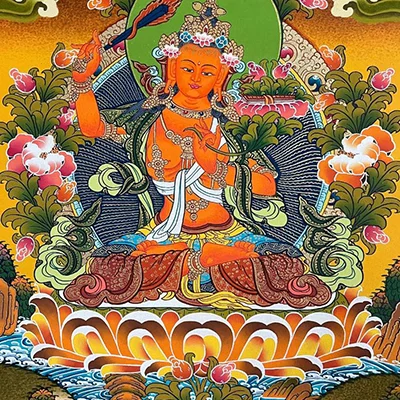
Thangka painting, a revered art form of Tibetan Buddhism, is far more than a mere decorative object or a visual representation of deities. It is a meticulously crafted portal to the cosmos—a visual scripture that encodes the fundamental principles of
- 4-25
- 307
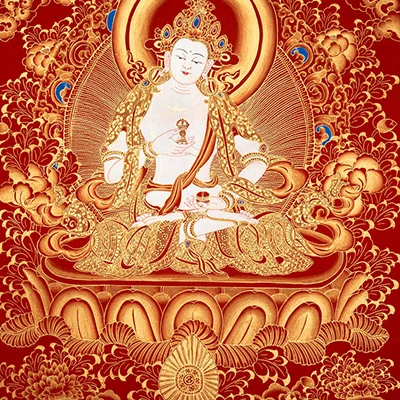
Tibetan thangka painting is one of the most visually stunning and spiritually complex art forms in the world. For centuries, these intricate scroll paintings have served as meditative tools, teaching aids, and windows into the Buddhist cosmos. Among
- 4-23
- 417
The Silent Language of the Divine: Decoding Spiritual Expression in Tibetan Thangka Painting For centuries, nestled in the high Himalayas, a profound visual language has been meticulously preserved on cotton and silk. Tibetan Thangka paintings are n
- 4-19
- 285
About Us

- Ethan Walker
- Welcome to my blog!
Hot Blog
- Exploring Sacred Weapons in Thangka Iconography
- The Role of Eyes and Expression in Thangka Figures
- How Thangka Reflects Buddhist Ritual Timelines
- Decoding Secret Mandala Borders and Outer Circles
- Depicting Deity Hierarchies in Mandala Centers
- Introduction to Spiritual Tourism and Thangka Workshops in Nepal
- How International Audiences Interpret Nepalese Symbolism
- How Virtual Exhibitions Promote Nepalese Art Globally
- Understanding the Role of Enlightened Teachers in Art
- How Exhibitions Reflect Spiritual and Artistic Significance
Latest Blog
- The Influence of Hindu and Buddhist Cosmology
- How Restoration Choices Affect Value
- Orange Ritual Items and Spiritual Power
- How Digital Thangkas Are Used in Meditation Apps
- Artisans Behind Nepal and Tibetan Thangka Production
- Sacred Knives for Cutting Borders and Cloth
- Modern Adaptations of Deities in Interactive Digital Art
- How Thangka Art Facilitates Cross-Border Artistic Collaboration
- How Thangka Art Inspires International Collaborative Projects
- Depicting Deity Hierarchies and Cosmic Order
- Sacred Geometry in Major Artistic Schools
- The Iconography of Enlightened Beings in Thangka Art
- Top Museums Integrating Thangka into Diplomatic Programs
- Depicting Ritual Objects within Mandala Designs
- How Hidden Symbols Represent Protection and Power
- How Patronage Shaped the Work of Famous Thangka Masters
- Purple Symbolism in Mystical Knowledge
- Emerging Practices in Global Thangka Conservation
- Blue Water Symbols and Spiritual Purity
- How Spiritual Tourism Promotes Authentic Cultural Experiences