"Contemporary Himalayan Culture" Result
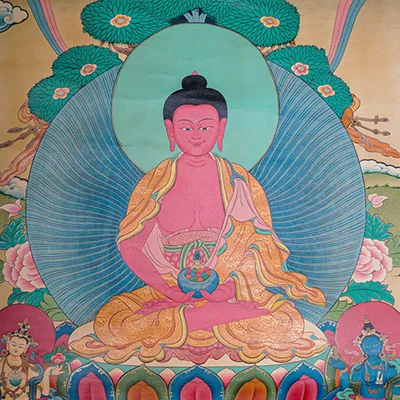
The sacred art of Tibetan thangka painting, with its intricate mandalas, serene Buddhas, and wrathful deities, has for centuries been a cornerstone of Himalayan spiritual and cultural expression. Traditionally rendered on cotton or silk with mineral
- 5-28
- 347
About Us

- Ethan Walker
- Welcome to my blog!
Hot Blog
- Tips for Identifying True Nepalese Religious Paintings
- Sacred Geometry in Major Artistic Schools
- The Symbolism of Mandala Borders and Patterns
- How Artists Use Digital Techniques to Revitalize Ritual Art
- How Famous Thangka Masters Perfected Sacred Iconography
- Emerging Trends in Digital Thangka Creations
- Tips for Avoiding Common Thangka Collecting Mistakes
- How Thangka Art Fosters Mutual Respect Between Nations
- How Virtual Exhibitions Promote Nepalese Art Globally
- Nepalese Thangka as Guardians of Ancient Wisdom
Latest Blog
- How Tourists Document Their Thangka Workshop Experiences
- Historical Schools Founded by Famous Thangka Masters
- Step-by-Step Guide to Detailing Robes and Garments
- Profiles of Young Artists Innovating Nepalese Thangka
- How Hindu Iconography Entered Buddhist Thangka Traditions
- How Modern Artists Reinterpret Traditional Thangka Themes
- The Role of Monastic Commissions in Artistic Schools
- How Nepal and Tibet Influenced Each Other Through Thangka
- Introduction to Mandalas and Cosmic Order in Thangka Art
- How Museums Use Thangka to Foster Cross-Cultural Understanding
- Thangka Masters and Their Legacy in Monastic Libraries
- Introduction to Ritual Uses and Spiritual Practices of Thangka
- The Role of Thangka in Puja Ceremonies
- Hindu Deities as Protectors in Buddhist Thangka Art
- Key Dynasties That Redefined the Nepal Thangka
- Comparing Traditional and Contemporary Thangka Styles
- White in Religious Art: Purity and Transformation
- Depicting Deities Across Tibetan Traditions
- Step-by-Step Guide to Achieving Symmetry in Thangka
- How Workshops Encourage Reflection and Meditation Through Art